

Ballet-trained, yoga-certified, and steeped in applied positive psychology, Caitlyn Casson has spent over a decade helping people develop what she calls a "mind-body language" — the ability to understand not just how to move, but how to move in ways that work for them specifically.
She teaches in New York City, leads retreats around the world, and runs the Expand On Demand membership for people who want to build a sustainable movement practice on their own terms.
This month, as part of our June Body Literacy series, we connected with Caitlyn to talk about what dance and yoga have taught her about listening, why so many women underestimate their own physical strength, and what it actually means to be at home in your body.
E: You’ve shared that a teacher described yoga as a "moving meditation" in your very first class, and it clearly landed. What did that phrase open up for you — especially as someone who had been dancing since childhood?
C: I took my first yoga class when I was 20 years old. By that point, I had been dancing since I was five and training intensively (six days a week) with Russian ballet coaches since I was nine. My dance training taught me so much: discipline, precision, control, and the ability to push myself both physically and mentally. I loved the rigor, the repetition, the intensity. I always felt better after ballet class, but I never really understood why until yoga came into my life. When my teacher described yoga as a "moving meditation" in my first class, it clicked. I finally had language for what I had been experiencing my whole life. Movement wasn't just physical. It was a mind-body experience.
E: As a dancer and yoga teacher, you work with the body in really precise ways. How do you define body literacy — and do you think it's something people can develop, or is it more innate?
C: Body literacy, to me, has two layers. The first is understanding the techniques and coordination of movement, the mechanics. The second is learning how to use movement in a way that actually works for you: which workouts, on which days, at which times. We are all a little different, and the way we train our bodies and minds needs to reflect that uniqueness.
And, yes! Anyone can develop body literacy. It's a skill, not a fixed trait. The more time you spend working with your body and listening to it, the more fluent you become in your unique mind-body language.
E: A lot of people feel disconnected from their bodies, especially after years of desk work, stress, or just the pace of modern life. Where do you usually start with someone who's coming to movement from that place?
C: We start small and simple. My favorite saying is “five minutes is better than no minutes.” Maybe that's a walk. Maybe it's some air squats or chair stretches between meetings. Whatever you can realistically fit into your day, do that. This is where we start, and we grow from there.
When I work with someone one-on-one through my 30-Day Game Plan program, we always start there, too - not with a big overhaul, but with a real conversation. We do a schedule audit, look at what's actually going on in their life, and build a 30-day plan around what feels doable and genuinely exciting to them. I stay with them through the whole process, keeping them accountable and inspired.
E: You blend dance, yoga, mindfulness, and positive psychology — which, on the surface, might seem like different modalities. How do they connect for you in practice?
C: I think what I'm always ultimately doing is mind-body training. In my classes and with my clients, we're working our bodies and our minds at the same time. I draw on my backgrounds in dance, yoga, Pilates, strength training, and positive psychology to create unique ways to train the mind-body connection. In practice, that might look like targeted journal prompts before we move to get into a broader mindset. Or it might mean spending time noticing what's going well in the movement practice instead of fixating on what isn't.
E: There's a difference between moving your body and actually listening to it. How do you teach that distinction — and what does it look like when someone crosses that threshold?
C: In my group classes, I always say my favorite classes are the ones where everyone is doing something slightly different. That tells me people are actually listening to their bodies and giving themselves what they need in that moment. My job as the instructor is to make sure everyone stays safe and moves well. But I love it when people take agency and make small adjustments to enhance the experience for themselves. I guess that's the threshold: when movement stops being something you do to your body and starts being something you do with your body.
E: Positive psychology is often associated with the mind. What does it look like applied to the body and movement specifically?
C: I usually start with a concept from positive psychology and build from there. In practice, that might look like a mantra woven throughout the class, or journaling prompts before we move on to set an intention.
In my on-demand membership, I take it a bit further. My self-compassion program is a good example. Self-compassion has three parts: self-kindness, common humanity, and mindfulness, so I built a class around each one. The self-kindness class is slow and gentle, focused on being kind with yourself. The common humanity class is low to the ground and deep. The image I give is sitting in the mud together, moving through the hard stuff with others. The mindfulness class is a straightforward vinyasa yoga class that links breath and movement to build present-moment awareness. In this way, the positive psychology concepts aren't just talked about; they're embodied.
E: You work with people in classes, workshops, and retreats around the world. What's something you notice people consistently get wrong about their own bodies — or a belief that tends to get in the way?
C: I find that so many people, especially women, believe they aren't strong enough. I hear it all the time: "I can't do push-ups." "I can't lift heavy weights." "There's no way I'll ever do chaturanga in yoga." This frustrates me because these are women who run six-figure businesses and raise multiple children. They are doing some of the hardest work in the world and still doubting their own physical capabilities.
I'm not saying we should go straight to the most advanced version of any movement, but I genuinely believe we are capable of so much more than we give ourselves credit for. Once we shift that mentality, the training game completely changes! I’m on a mission to help more women expand their own capacity.
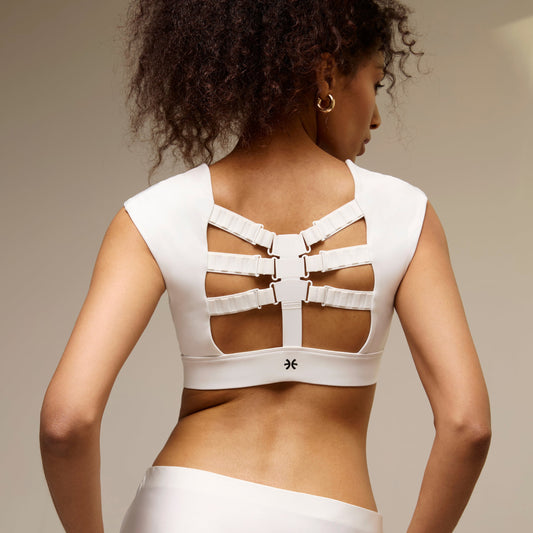
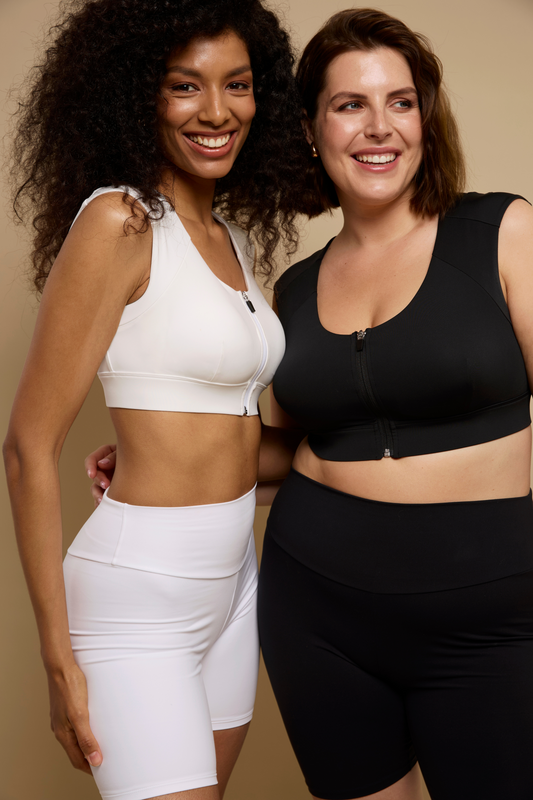
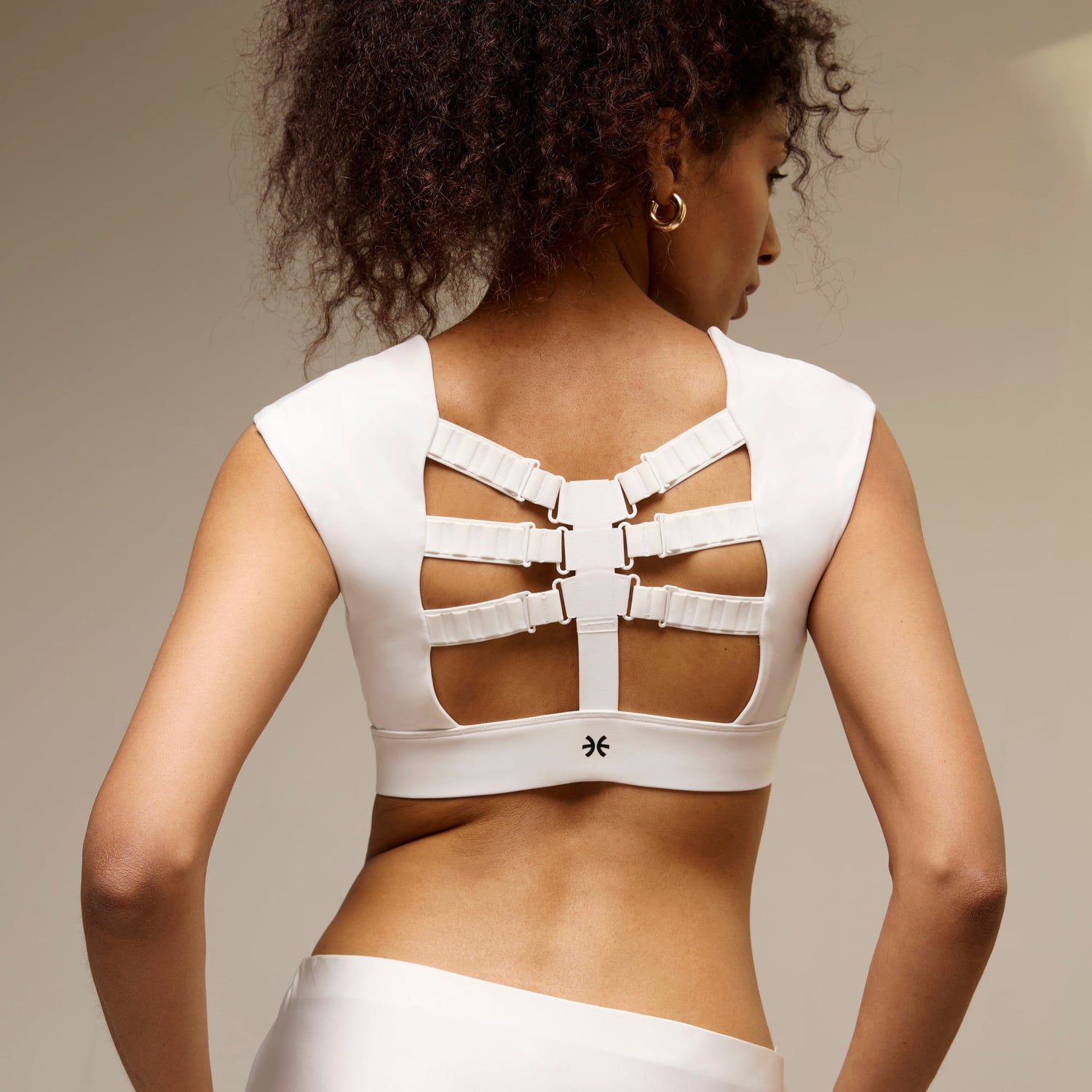
E: You've been wearing the Etalon posture bra for a few months now. As someone who thinks deeply about how we inhabit our bodies, what have you noticed, and how does it fit into the way you think about building body awareness?
C: What I love about the Etalon Posture Bra is that it doesn't force your body into a different position. It offers gentle, physical feedback that gives your body a chance to find its own way into a taller, more aligned posture. I could tell from the first wear that it was designed by someone with a movement background and a real understanding of how the body works. It just makes sense, physically!
E: What's one thing you'd invite someone to try if they wanted to start becoming more body “literate” today — not through a formal practice, but just in their daily life?
C: Move your body and have fun with it! Make a list of the different types of movement that sound interesting to you. Yoga, dance, a walk in a park, Pilates, roller blading, anything. Then, go try them all and see what you like! The more variety you experience, the more you'll understand what your body likes, what it doesn't, and what it maybe doesn't love but finds useful. Body literacy comes from moving, experimenting, getting playful and giving yourself space to actually listen to what comes up.
E: Lastly, what are you working on or excited about right now that you'd like to share with the Etalon community?
C: Right now, I have openings for one-on-one clients and corporate wellness partnerships. We might be a good fit if you are:
- a woman who wants to feel strong and energized again and craves an approach that's thoughtful, personalized, and actually fits into your life
- or an organization looking to support your team with accessible movement, mindfulness, and stress-reset programming
If either sounds interesting, reach out directly hi@caitlyncasson.com and let's chat!
If you just want to stay connected, my on-demand membership has a free 30-day trial. You can find me on Instagram, and every Sunday, I send out The Sunday Reset with movement tips and mindset tools.
CAITLYNCASSON.COM | @CAITISHAPPY
Body literacy, Caitlyn reminds us, isn't a destination. It's an ongoing conversation — between your mind and your muscles, your habits and your instincts, the movement you think you should be doing and the movement your body is actually asking for. The more you listen, the more fluent you become.
Trending


Try Etalon posture improvement products
-
Etalon® Posture Bra
Regular price $199.00Regular priceUnit price per$199.00Sale price $199.00 -
Etalon® Posture Bra X 2 (bundle)
Regular price $355.00Regular priceUnit price per$398.00Sale price $355.00launch -
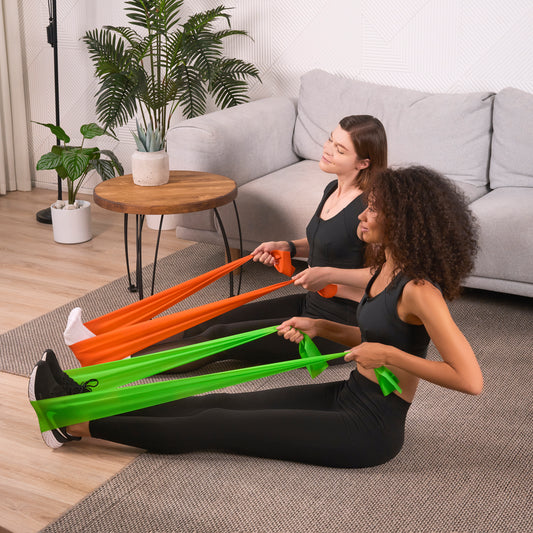
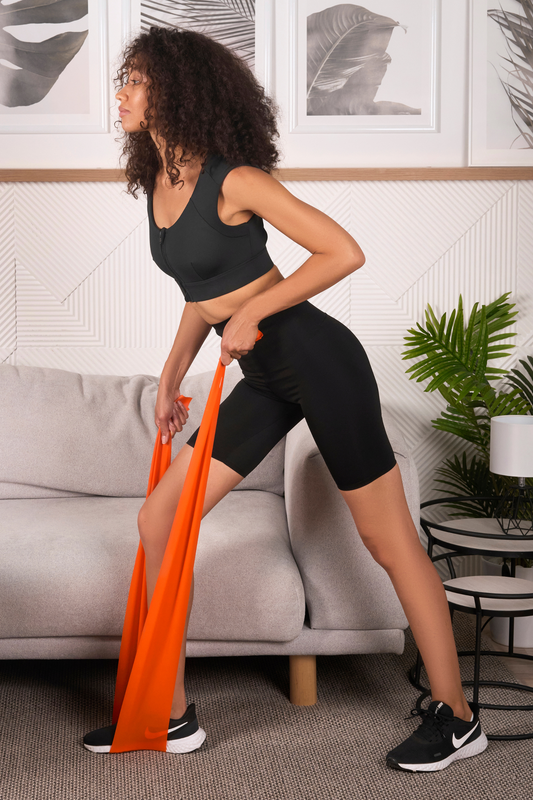
Etalon Resistance Bands
Regular price $25.99Regular priceUnit price per$25.99Sale price $25.99 -
Etalon® Posture Bra + Resistance Bands
Regular price $209.00Regular priceUnit price per$224.99Sale price $209.00launch