

Ergonomics is often treated like a checklist — adjust your chair, move your screen, take a break. But at its core, it’s really about something much deeper: how we care for our bodies while we work, day after day.
For Part 3 of our Start Steady series, we spoke with Alison Heller-Ono, a licensed physical therapist, Certified Professional Ergonomist, and Etalon advisor. With decades of experience helping people prevent injury and work more comfortably, Alison brings a grounded perspective to alignment — one rooted in awareness, education, and habit-building rather than quick fixes.
In this conversation, she reminds us that ergonomics isn’t about perfection or buying new gadgets. It’s about learning how your body works, noticing when something feels off, and responding with small, supportive adjustments over time.
E: To start, can you share a bit about your background and how you got into ergonomics?
A: I’ve been a Licensed Physical Therapist since 1987. My work as a PT treating injured workers in the early 90’s made me realize work injuries are preventable. To help my patients get back to work, I would often visit their workplaces to learn about their jobs and the physical demands of their work so I could create a return-to-work plan for them. In addition, California began working on developing the Cal-OSHA 5110 Prevention of Repetitive Motion Injuries (1997 regulation). This opportunity introduced me to ergonomics, the study of ( the science) of how people work. There was also the creation of the Americans with Disabilities Act, focused on making work accessible for people with disabilities. So, it was a convergence of my timing as a PT focused on work-injury rehab, along with new regulations and legislation that made it an ideal time to pursue ergonomics as the next step in my career.
E: Our theme for this month is “Start Steady.” How does ergonomics fit into the idea of building steady, sustainable habits, rather than quick fixes?
A: Quick fixes are actions we take as part of an ergonomic evaluation to improve the ergonomics of a workstation, before we can make permanent changes. These changes encourage people to work better than before their evaluation. Part of an assessment is teaching employees safe work habits and practices. Together, these changes encourage employees to work more effectively through better ergonomics.
E: There’s a misconception that ergonomics is only about chairs and keyboards. How would you define ergonomics in a way that feels relevant to everyday life, both in the workspace and beyond?
A: Ergonomics can be implemented at a macro or systems level, impacting an organization’s decisions on a day-to-day basis. At this level, it addresses people, tools and technology, organizational decisions, and the work environment. For individuals who have an office or a single workstation, the system is much smaller. One person, one desk, one chair, one computer, considering the fit of the work environment to the human to maximize performance, comfort, and efficiency. Beyond this, you can see ergonomics impacting the design of our cars, phones, earbuds, public kiosks like those at banks, and many other devices, tools, etc.
E: For many of us, work environments, whether remote or in-office, impact posture without us noticing. What are a few subtle cues we can use to check in with our alignment throughout the day?
A: Good posture is the most important practice we must recognize and do routinely. If you experience eye strain, headaches, neck and shoulder, upper back, mid or lower back discomfort, buttocks, wrist, hand or forearm pain, this is a clue that something isn’t quite right. If the pain ceases when you stop the task or leave work, and then resumes when you return, then it is a problem you should address. Work should not be painful, period! An ergonomic assessment is advised.
E: What are some common ergonomic “misses” you see — especially for people who work long hours at a computer or on the go — and how can they begin to correct them simply?
A: People sit too long; they sit poorly with unsupported postures! Learn to sit correctly in the chair you have. Also, get up more often, at least 2-4 times/hour. Sitting for more than an hour without an interruption is too much. Frequent movement patterns from sit-to-stand to walk to intermittent stretching are needed for our bodies to stay healthy. I like to call it the “Sit, Stand, Move and Groove” cycle!
E: Movement and break schedules can feel disruptive in a busy day. What’s a practical way someone can build micro-breaks or posture resets into their routine without losing focus or productivity?
A: Everyone should find their best posture reset times, routines, and set goals to do it routinely to make it a habit. I often advise people with a sit-to-stand desk to end their day by standing for 30-40 minutes, and when they come in the morning, their desk will be set to start in standing. Go through your calendar, emails, and plan your day. Then sit to perform dedicated work. Then stand for 15-30 minutes before lunch, and when you return from lunch, continue standing for 15-30 minutes. A good guideline is not to stand more than 40 minutes at a time, for a cumulative total of 2-3 hours/day. Applying the ‘Sit, Stand, Move and Groove' cycle is great for your mind, body, and soul!
E: We often talk about posture supporting physical alignment, but it also affects breathing, mood, and confidence. In your experience, how are ergonomic habits connected to these broader aspects of well-being?
A: It is all related… good ergonomic habits allow you to work more efficiently, with better comfort, and more focus. We can be distracted by poor lighting, eye strain, headaches, stress, or physical discomfort. Integrating good ergonomic habits into your daily routine leads to better job satisfaction and a more balanced work life.
E: Many people feel tension or discomfort without even realizing it. If someone notices recurring tightness, what’s the first step they should take to begin understanding the why behind it?
A: Don’t ignore it, especially if it lingers or returns routinely. If you are working for a company, ask whether they have an ergonomics program that includes ergonomics training and/or ergonomic evaluation services. If you work from home, consider a remote ergonomic evaluation or invest in work-at-home ergonomics training. It is well worth it to learn some basic ergo principles through training you can apply immediately. If you can’t resolve it on your own, then seek a professional evaluation (from a Certified Professional Ergonomist (CPE), or Certified Office Ergonomics or Remote Ergonomics Specialist (COESp, CRESp).
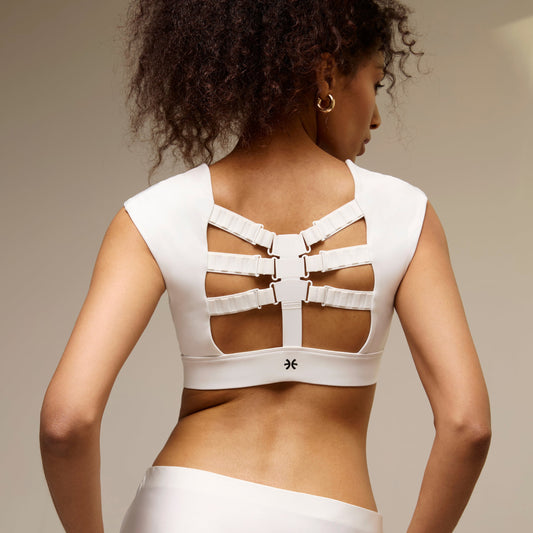
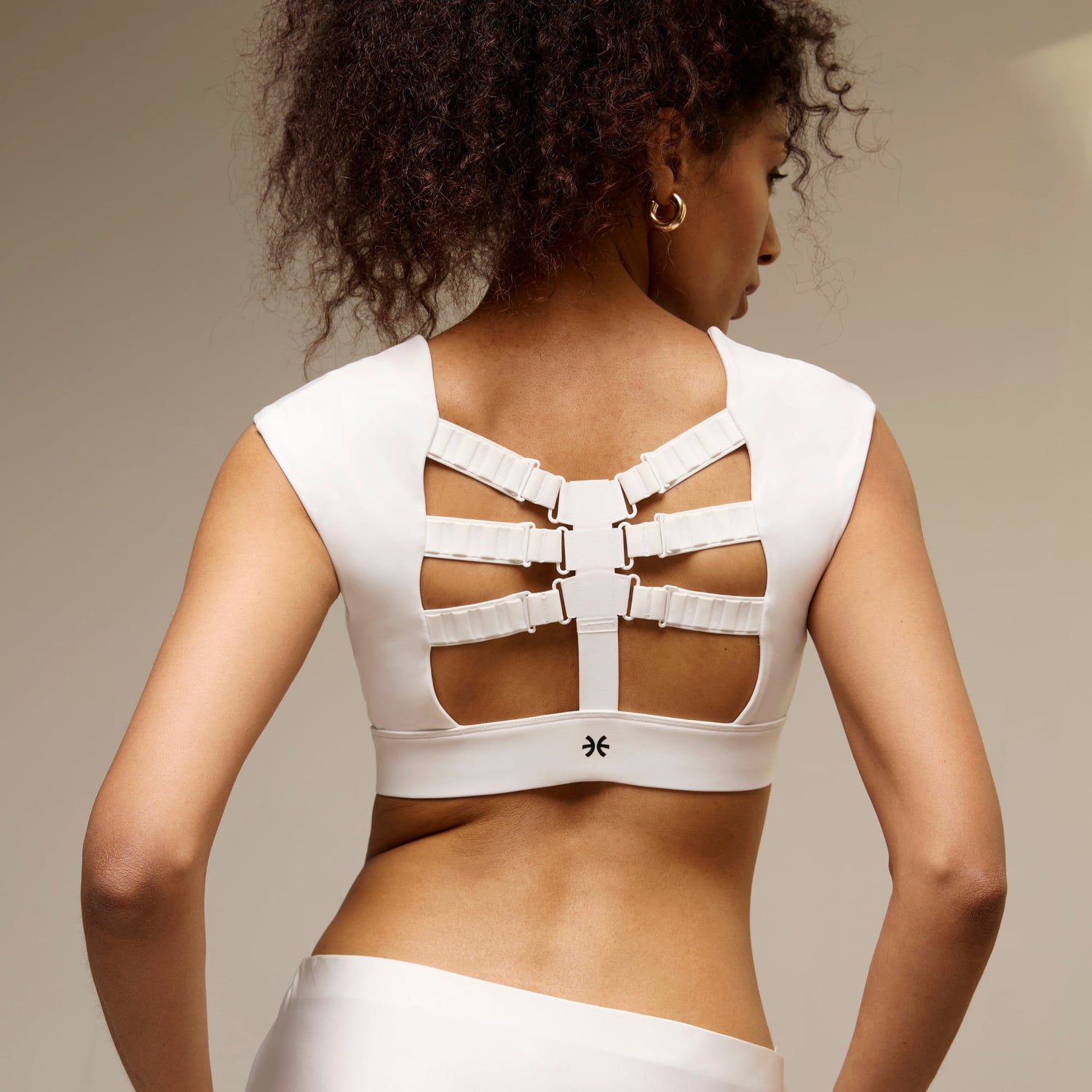
E: What role can supportive tools or products like the Etalon Posture Bra play in helping people build better ergonomic and posture habits over time?
Poor postural habits are as common as computers. Building good postural habits can be a challenge for many people. Having a variety of tools and reminders is a big help in building good habits.
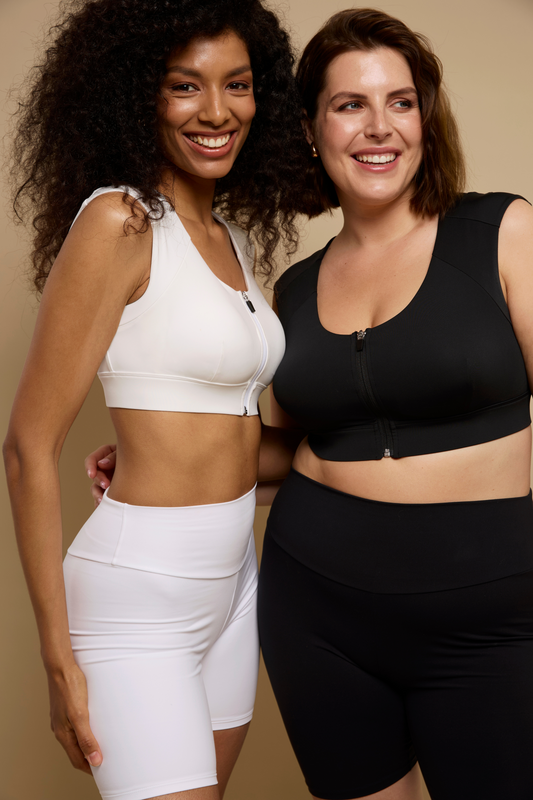
When you find yourself slouching forward with your head like a turtle, internally rotating your shoulders, and leaning into your desk, keyboard, or monitor, it is time for a correction. Using the Etalon Posture Bra, anyone who tends to slouch or has a large upper body, a large frame, or heavy breasts can benefit from this beautiful support product.
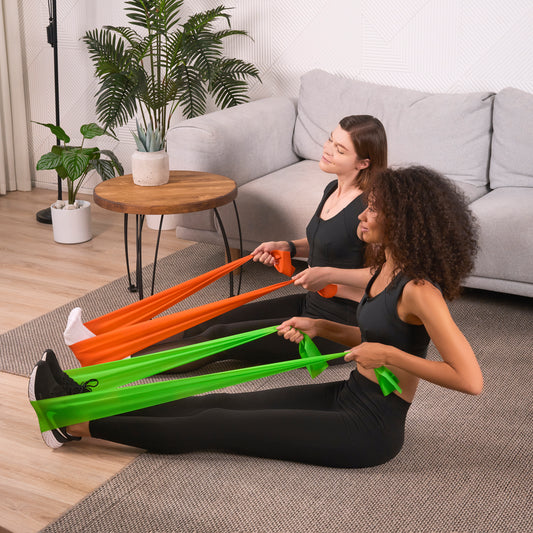
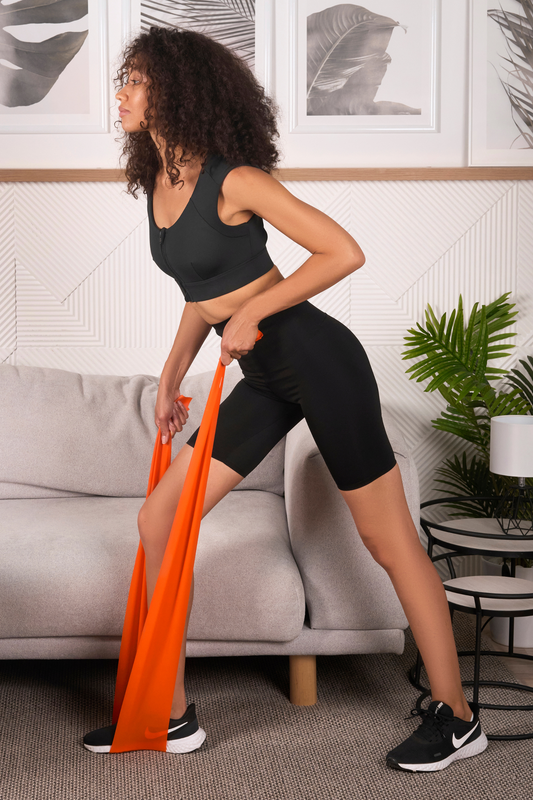
Combine this wearable support garment with routine sit-to-stand transitions and upper-body stretches for a dynamic postural program guaranteed to boost your well-being and improve your posture while at the computer or anywhere you want to sit or stand tall!
E: What’s one foundational ergonomic mindset or practice you recommend everyone embrace as we head towards the end of January and settle into the new year?
A: Most people don’t work with good ergonomics. Ergonomics is not common sense. For ergonomics to be common sense, it must be commonly taught and commonly practiced. We just aren’t there yet! You must be taught the principles of good ergonomics. Invest in learning the principles, whether through training or a professional evaluation. Recognizing your equipment is probably not a good fit either, especially if you don’t feel good or have discomfort. Learn how to adjust it for a better fit, or select the right equipment for your stature and needs. It pays to invest in good ergonomics! Work with an ergonomics professional to ensure a healthy and productive start to your work year!
About Alison Heller-Ono PT, MSPT, CPE and President/CEO >
Connect with Alison on LinkedIn >
Worksite International, Inc. Website >
Worksite International Service Brochure >
One of the most powerful ideas Alison shares is that ergonomics isn’t common sense because it’s rarely taught, but once you learn it, it becomes a form of self-trust.
When you understand how to sit, stand, move, and work in ways that support your body, you stop pushing through discomfort and start listening to it instead. Alignment becomes less about correction and more about care — a steady, daily practice that helps you feel better and move through your days with more ease.
As we settle into the rhythm of the year ahead, consider this your reminder: you don’t need to overhaul everything. Start steady. Learn what your body needs. And make small adjustments that support you for the long run.
Trending



Try Etalon posture improvement products
-
Etalon® Posture Bra
Regular price $199.00Regular priceUnit price per$199.00Sale price $199.00 -
Etalon® Posture Bra X 2 (bundle)
Regular price $355.00Regular priceUnit price per$398.00Sale price $355.00launch -
Etalon Resistance Bands
Regular price $25.99Regular priceUnit price per$25.99Sale price $25.99 -
Etalon® Posture Bra + Resistance Bands
Regular price $209.00Regular priceUnit price per$224.99Sale price $209.00launch